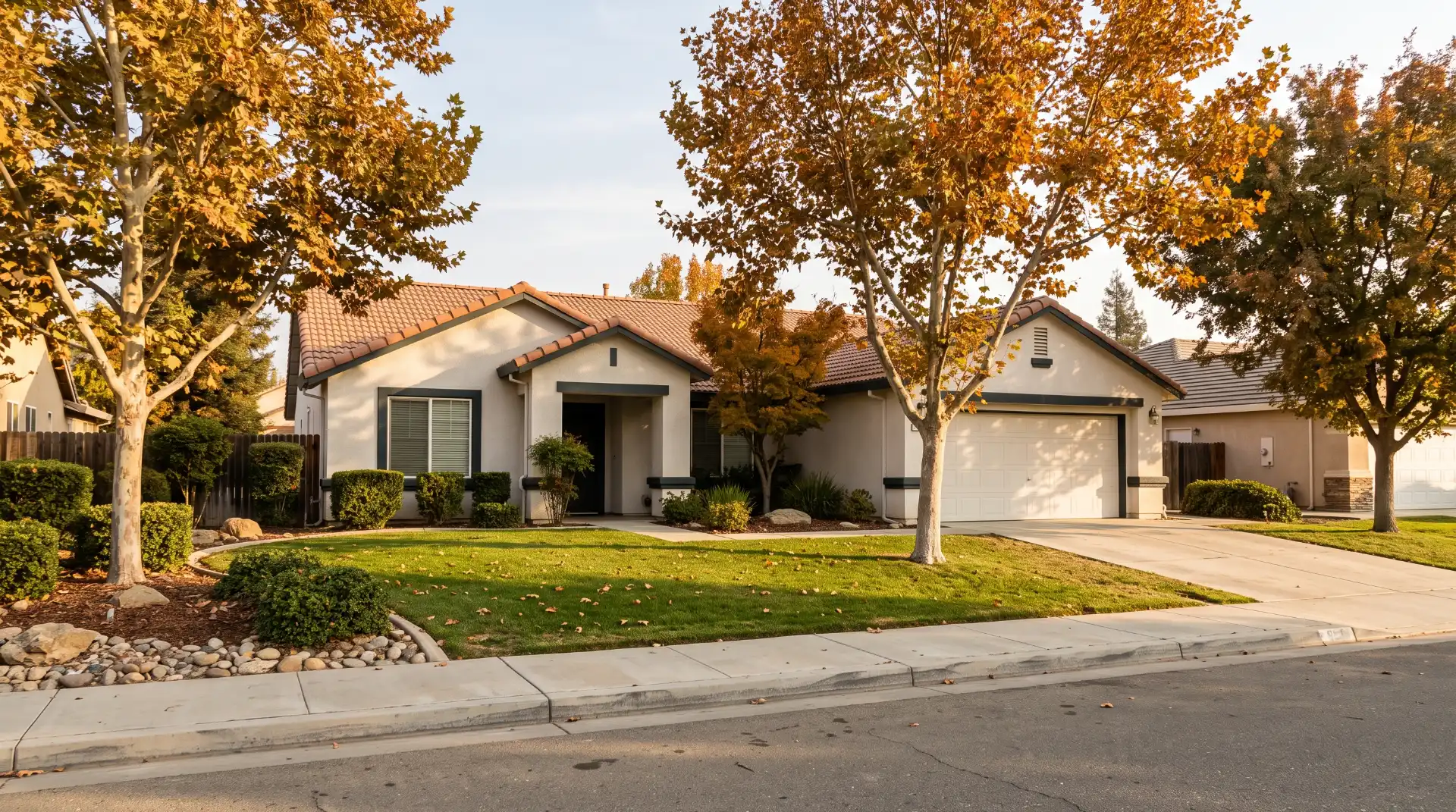
Bakersfield, California, continues to attract attention from people looking for more attainable housing options within the state. Located in Kern County in the southern San Joaquin Valley, the city offers a mix of established neighborhoods, newer residential developments, single-family homes, apartments, and rental properties that appeal to first-time buyers, growing families, retirees, and people relocating for work.
However, finding an affordable place to live in 2026 requires more than comparing advertised home prices or monthly rents. Mortgage rates, insurance costs, property taxes, household budgets, neighborhood amenities, and the availability of homes all influence the actual cost of living in Bakersfield.
The local housing market also varies by property type and neighborhood. A home in a newer subdivision may have different maintenance costs and community fees from an older property closer to downtown. Similarly, two rental apartments with comparable monthly rents may differ considerably in utility expenses, parking, amenities, and lease terms.
For prospective residents, the key question is not simply whether Bakersfield is affordable. It is whether a particular home or rental fits their finances, lifestyle, and long-term plans.
This guide explores the Bakersfield housing market in 2026, explains the latest available price and rental indicators, compares buying with renting, and outlines practical steps that homebuyers and tenants can take before making a decision.
Understanding the Bakersfield Housing Market in 2026
The Bakersfield housing market has its own characteristics that distinguish it from many coastal California communities. Home prices are generally lower than in major coastal markets, although affordability still depends on income, financing terms, the property’s condition, and the neighborhood selected.
Market data published in September and October 2026 suggests that buyers have reasons to examine their options carefully rather than assuming every home will sell immediately or that every seller is willing to accept a substantial discount.
According to Realtor.com’s Bakersfield housing market overview, September 2026 data showed a median listing price of approximately $434,900, while its reported median sold price was approximately $395,000. Its market summary also reported a median of 46 days on the market.
Other housing data providers report different figures because they use different property samples, time periods, and calculation methods. For example, Redfin’s Bakersfield housing market report reported a median sale price of approximately $420,000 for the three months ending in September 2026.
These numbers should not be treated as interchangeable. A listing-price median measures asking prices, while a sale-price median reflects homes that have actually sold during a defined period. A typical-value index, meanwhile, estimates values across a broader group of properties.
The differences matter when someone is planning a purchase. A home listed at $425,000 may ultimately sell for more or less depending on its condition, competing listings, buyer demand, and negotiations. Likewise, a citywide median cannot tell a buyer exactly what a particular home is worth.
The most useful approach is to consider several indicators together: current asking prices, recently completed sales, the number of comparable homes available, and the amount of time similar properties take to sell.

Is the market becoming more favorable to buyers?
There are signs that buyers have more opportunities to compare properties and evaluate asking prices than they did during periods of exceptionally rapid sales. Realtor.com’s October 1, 2026, market update reported increased active listings in the Bakersfield–Delano area compared with the previous year, along with more homes receiving price reductions.
That does not mean every buyer will have an easy time finding a suitable property. Homes that are well maintained, attractively priced, and located in desirable areas can still receive substantial attention. Properties that need repairs or have ambitious asking prices may require longer marketing periods.
For buyers, this environment rewards preparation rather than urgency. Getting preapproved for a mortgage, establishing a realistic budget, and understanding recent comparable sales can help you recognize a good opportunity without committing to a home that stretches your finances.
For sellers, the same conditions make accurate pricing and effective presentation especially important. A home needs to compete with other available properties, not simply reflect what its owner hopes to receive.
Bakersfield Home Prices: What Buyers Should Expect
Home prices vary across Bakersfield, and the asking price is only the starting point when evaluating affordability.
Single-family homes, condominiums, townhouses, manufactured homes, and new-construction properties serve different needs and price ranges. A smaller home with an older kitchen may be less expensive upfront but require immediate repairs. A newer home might cost more initially while offering updated systems, better insulation, or a more functional layout.
Buyers should also distinguish between the property’s purchase price and the full cost of owning it. The mortgage payment is only one component of the monthly housing budget.
Established neighborhoods and older homes
Established Bakersfield neighborhoods may appeal to buyers who want mature trees, existing community infrastructure, and access to familiar shopping areas or employment centers. Some older properties offer larger lots or architectural features that are harder to find in certain newer developments.
Nevertheless, an attractive purchase price does not automatically mean a property is a bargain. Older homes may need plumbing repairs, electrical upgrades, roof replacement, foundation work, or improvements to heating and cooling systems.
A professional home inspection can help identify visible defects and recommend further evaluation where necessary. Buyers should review the inspection findings carefully, estimate likely repair costs, and decide whether the property remains financially attractive after accounting for those expenses.
It is also wise to ask about previous renovations and obtain documentation when available. Cosmetic improvements can make a home look appealing, but they do not necessarily reveal the condition of its major systems.
Newer developments and suburban housing
Newer residential areas may attract buyers seeking modern floor plans, attached garages, open kitchens, energy-efficient features, and recently installed building systems. Depending on the development, homes may also offer access to parks, walking paths, or neighborhood amenities.
However, newer construction should not be evaluated solely by appearance. Buyers should examine the builder’s reputation, construction quality, warranty terms, lot location, anticipated completion date, and any community association fees.
Some developments have homeowners association rules or monthly dues that increase the total cost of ownership. Others may be located farther from a workplace, established shopping districts, or preferred schools, making transportation costs and commute times more important.
When comparing a newly built home with an existing property, estimate the total monthly cost of both rather than assuming newer construction will automatically be the more economical option.
How to determine whether a listing is fairly priced
A useful starting point is to compare a property with recently sold homes that have similar characteristics. Ideally, those properties should be in the same neighborhood or a nearby area with comparable access to amenities.
Square footage, lot size, age, number of bedrooms, number of bathrooms, condition, and major upgrades can all influence value. A large home with outdated systems may not be directly comparable to a smaller property that has recently undergone substantial renovations.
Buyers should also consider how long the property has been listed and whether its asking price has changed. A price reduction may create an opportunity for negotiation, but it does not automatically prove that a home is overpriced or defective.
The goal is to establish a defensible range of value using relevant evidence. An experienced local real estate professional can help identify comparable sales, while an independent appraisal may be required by a lender as part of the financing process.
Renting in Bakersfield: Current Costs and Important Considerations
Renting remains a practical option for people who want flexibility, are saving for a down payment, or are uncertain about how long they will remain in the area. It can also make sense for households that prefer not to assume responsibility for major home repairs.
However, rental affordability varies considerably by property type and location. Apartments, duplexes, single-family rentals, and larger homes may have different pricing structures, amenities, and additional charges.
Apartment List’s Bakersfield Rent Report for October 2026 reported a citywide median rent of approximately $1,708, with rents up 6.7% year over year. Realtor.com reported a different median rental figure of approximately $1,992 for September 2026.
The gap between these figures illustrates why renters should examine each source’s methodology and property coverage. A report focused on apartment rentals may produce a different result from one that includes a broader range of rental listings. Neither figure should be assumed to represent the exact amount every tenant will pay.
For an individual renter, the most useful comparison is between available properties that match their needs and budget.
What affects monthly rent?
The size and type of property are major factors, but they are not the only considerations. Location, condition, parking, in-unit laundry, outdoor space, included appliances, and access to employment centers can all influence rental prices.
A larger rental home may be suitable for a family that needs additional bedrooms, while a smaller apartment may be more practical for someone who wants to minimize utility expenses and maintenance responsibilities.
Renters should compare the complete monthly cost, including utilities, internet, parking, pet rent, and any recurring fees disclosed by the property manager. They should also review the lease to understand which services are included and which expenses remain their responsibility.
Before signing, ask how maintenance requests are handled, how rent payments are submitted, and what procedures apply to lease renewal or early termination. These questions can prevent misunderstandings after moving in.
Why advertised rent is not the whole story
A property advertised at a lower monthly rate may not be the least expensive option over a full year. Utility costs, commuting expenses, parking charges, and the condition of the home can change the financial picture.
For example, a rental farther from work might have a lower monthly rent but require substantially more driving. A unit with older windows or inefficient cooling equipment may also have higher electricity expenses during hot weather.
Bakersfield’s summer climate makes cooling an important consideration. When touring a rental, ask about the age and condition of the air-conditioning system, whether the windows provide adequate insulation, and how utility responsibilities are divided between the tenant and property owner.
It is also important to inspect the property before signing whenever possible. Photograph existing damage, confirm that included appliances work, and make sure the lease accurately reflects any promises made by the landlord or property manager.
Buying Versus Renting in Bakersfield: Which Makes More Sense?
The choice between buying and renting depends on more than whether a mortgage payment appears similar to a monthly rent payment.
Homeownership can offer long-term stability and the opportunity to build equity, but it also requires upfront funds, ongoing maintenance, and the ability to handle unexpected expenses. Renting generally offers greater flexibility and transfers many major property-repair responsibilities to the landlord, although tenants must follow lease terms and may face rent increases when permitted by applicable law.
Neither option is automatically better for every household.
When buying may be the better choice
Buying may make sense for someone with stable income, manageable debt, adequate savings, and a reasonable expectation of remaining in Bakersfield for several years. A homeowner who stays in a property over time may gradually build equity as the mortgage balance decreases, assuming the home’s value and loan terms support that outcome.
Homeownership can also provide more control over the living space. Subject to applicable laws, financing terms, and any association restrictions, owners can make improvements, personalize rooms, and plan around long-term household needs.
However, buyers should avoid using all available savings for the down payment. Keeping emergency funds available is important because home repairs, medical expenses, employment changes, and other unexpected events can affect household finances.
Before making an offer, estimate the complete cost of ownership and consider whether the payment would remain manageable if other expenses increased.
When renting may be the smarter decision
Renting may be more appropriate for people who expect to move within a few years, are still building their savings, or need time to improve their credit profile before applying for a mortgage.
It can also be helpful for newcomers who are unfamiliar with Bakersfield’s neighborhoods. Renting first may allow them to evaluate commute times, summer conditions, local services, and neighborhood preferences before choosing where to purchase a home.
Although renters do not build home equity through their rent payments, they may preserve savings that would otherwise go toward a down payment, closing expenses, and repairs. That financial flexibility can be valuable when a household has other priorities or uncertain income.
The right decision depends on the household’s circumstances, not pressure to become a homeowner as quickly as possible.
Compare the total cost, not just the monthly payment
Suppose a buyer is considering a home priced at $400,000. The actual monthly cost will depend on the down payment, interest rate, loan term, property taxes, insurance, mortgage insurance if applicable, and any homeowners association dues.
The buyer must also account for closing costs, moving expenses, maintenance, and potential repairs. The amount paid toward principal may build equity, but interest, insurance, taxes, and maintenance are costs that do not directly increase ownership equity.
A renter should make a similar calculation using rent, utilities, parking, renter’s insurance, commuting expenses, and any fees.
Comparing both scenarios over the same time period can reveal which option better fits a household’s finances. Buyers should also consider the costs associated with selling a home if they expect to relocate relatively soon.
Mortgage Rates and Affordability in 2026
Mortgage rates remain an important part of the affordability equation because they influence how much a borrower pays each month and how much interest accumulates over the life of a loan.
Even a modest rate difference can change the monthly payment on a large mortgage. That is why buyers should obtain current quotes from multiple lenders rather than relying on a rate mentioned in an older article or online advertisement.
Rates offered to individual borrowers depend on factors that may include credit history, down payment, loan type, loan term, debt, and market conditions. An advertised rate may also assume discount points or other conditions that do not apply to every applicant.
Get preapproved before shopping seriously
Mortgage preapproval can help establish a realistic purchase range. A lender typically reviews financial information to estimate the loan amount a borrower may qualify for, although preapproval is not a final guarantee of financing.
Buyers should use that estimate as a starting point rather than a target they must reach. A lender may approve a payment that leaves less room in the household budget than the borrower would prefer.
Calculate a comfortable monthly payment after accounting for groceries, transportation, insurance, savings, childcare, and other regular expenses. Include a margin for unexpected costs instead of assuming every month will go according to plan.
Compare loan offers carefully
When comparing mortgage offers, look beyond the interest rate. Review the annual percentage rate where applicable, lender fees, discount points, estimated closing costs, and the terms under which the rate is available.
Ask whether the loan includes mortgage insurance, whether the quoted payment includes taxes and homeowners insurance, and whether any fees may change before closing. A lower advertised rate may not provide the best overall value if it comes with substantial upfront charges.
The CFPB explains how to review a mortgage Loan Estimate so borrowers can compare the loan terms and estimated costs provided by different lenders.
First-time buyers may also wish to explore homebuyer education and assistance options. Eligibility requirements, available funding, and program rules vary, so confirm current details with the relevant government agency or a qualified housing counselor before making financial commitments.
Which Bakersfield Neighborhood Should You Consider?
Choosing a neighborhood also means understanding the places, public spaces, and local amenities that shape everyday life. Before deciding where to settle, explore our guide to Bakersfield’s local neighborhoods and city life, which can help you discover more about the community and its character.
Bakersfield includes established central neighborhoods, areas to the north and east, suburban communities to the southwest and northwest, and newer residential developments at the city’s edges. Prices and rental costs can vary considerably across these areas.
Southwest Bakersfield
Southwest Bakersfield includes a variety of established residential areas and newer developments. Depending on the specific location, prospective residents may find single-family homes, apartments, shopping centers, restaurants, and access to major roads.
Buyers should compare individual subdivisions and streets rather than assuming the entire southwest area has one price level. Lot sizes, construction dates, property condition, and community fees can differ significantly.
Renters may find this area worth exploring if it offers a suitable combination of housing options, commute convenience, and nearby services. A visit at different times of day can help reveal traffic patterns and general activity around a prospective home.
Northwest Bakersfield
Northwest Bakersfield includes a range of residential communities, from established neighborhoods to newer housing developments. Some properties may appeal to households seeking additional space, modern floor plans, or access to parks and shopping.
Because prices can vary within the area, compare homes with similar characteristics and verify the distance to work, schools, grocery stores, and other places you visit regularly.
Buyers considering newer developments should also investigate association dues, builder warranties, property boundaries, and any planned construction near the neighborhood.
Central Bakersfield and established neighborhoods
Central Bakersfield can appeal to people who value proximity to downtown destinations, established services, and older residential streets. Housing options may include smaller single-family homes, apartments, and properties with distinctive architectural features.
Older homes can offer character and potentially lower purchase prices, but condition is especially important. Before purchasing, investigate the roof, plumbing, electrical systems, cooling equipment, and any signs of water intrusion or structural problems.
Renters should evaluate the immediate surroundings, parking arrangements, noise levels, and maintenance standards of the specific property.
North and East Bakersfield
North and East Bakersfield contain a diverse mix of housing types and price points. Depending on the location, buyers may find older homes, more modest properties, larger lots, or newer construction.
These areas should not be evaluated solely by their general reputation or a single median price. Street-level conditions, access to services, commuting routes, and the state of an individual home can vary.
Visit the neighborhood in person when possible, review recent comparable sales, and make a list of practical requirements before narrowing your search.
How to compare neighborhoods objectively
Rather than choosing an area based on a broad label, create a shortlist of properties and evaluate them against the same criteria. Consider purchase price or rent, commute time, property condition, nearby services, utility costs, noise, and any additional community fees.
Visit at different times of day and review available information about local planning or construction projects. If schools are important to your household, consult official district information for attendance boundaries and current enrollment policies rather than relying on assumptions based on a neighborhood name.
A good housing decision should fit the household’s everyday routine as well as its budget.
Hidden Costs of Owning a Home in Bakersfield
One of the most common mistakes first-time buyers make is calculating affordability using only the mortgage payment. The true cost of homeownership includes expenses that can fluctuate over time, and these expenses should be part of the decision before an offer is submitted.
Property taxes and homeowners insurance
Property taxes should be included in the monthly housing budget. In California, property tax bills depend on assessed value and applicable taxes or assessments. Buyers should review the property’s available tax information and understand that their future bill may differ from the previous owner’s bill after a change in ownership.
Homeowners insurance is another essential expense. Premiums depend on factors such as the property, coverage limits, deductible, claims history, and the insurer’s underwriting requirements. Buyers should obtain insurance quotes early enough to understand the likely cost and confirm that suitable coverage is available.
Do not assume a previous owner’s insurance premium will apply to a new policy. The price and terms offered to a new homeowner may differ, and coverage availability should be confirmed directly with an insurer.
Maintenance and repairs
Every home requires maintenance, regardless of age or purchase price. Roofs deteriorate, plumbing fixtures wear out, heating and cooling systems need servicing, and exterior materials require attention over time.
Bakersfield’s hot summers make air-conditioning performance especially important. Before purchasing, ask about the age and service history of the cooling system, check for visible signs of deferred maintenance, and consider a professional evaluation where appropriate.
Buyers should also budget for landscaping, pest control when needed, appliance replacement, and routine upkeep. Older properties may require more immediate attention, but newer homes are not completely free of maintenance expenses.
Keeping an emergency fund separate from regular household savings can reduce the financial strain of unexpected repairs.
Closing costs and moving expenses
Buying a home involves more than the down payment. Depending on the transaction and loan, buyers may pay lender fees, appraisal charges, title services, prepaid taxes and insurance, recording charges, and other closing expenses.
The exact amount varies, so request a detailed estimate from the lender and review it before committing to a loan. Ask questions about charges you do not understand and compare offers when you have the opportunity to do so.
The Consumer Financial Protection Bureau’s closing-cost guide explains common mortgage-related fees and how the parties may agree to allocate certain costs.
Moving expenses should also be included in the budget. Utility deposits, furniture, window coverings, small repairs, and other immediate purchases can add up quickly after closing.

What Renters Should Know Before Signing a Lease
Renting can be simpler than buying, but a lease is still a significant financial and legal commitment. Prospective tenants should read the agreement carefully and understand the obligations they are accepting.
Review the full lease agreement
Before signing, check the monthly rent, lease duration, due date, payment methods, late-payment provisions, deposit terms, utility responsibilities, and conditions for renewing or ending the lease.
Ask which appliances are included and whether the landlord or tenant is responsible for maintaining them. If the property has shared facilities, parking, or outdoor areas, confirm any relevant rules.
Verbal promises about repairs, upgrades, or included services should be documented in writing. Keep a copy of the signed lease and all related communications in a place where you can access them later.
Understand deposits and move-in charges
Ask for an itemized explanation of the amounts due before moving in. This may include the first month’s rent, a security deposit, and other permitted charges depending on the lease and applicable law.
California has specific rules governing residential security deposits, including limits and exceptions. Tenants should review the current requirements through the California Department of Real Estate and the state’s official tenant resources, and should not assume that every fee described by a landlord is automatically lawful.
At move-in, take dated photographs of existing damage and document any issues with appliances, plumbing, windows, or other fixtures. Provide the information to the landlord or property manager through a written channel so there is a clear record of the property’s initial condition.
Evaluate the property manager’s responsiveness
A rental property may look attractive during a showing, but the quality of maintenance and communication can strongly affect the tenant experience.
Ask how maintenance requests are submitted and how urgent problems are handled. Clarify whom to contact if an issue occurs outside normal business hours, particularly if the property has shared facilities or essential equipment.
During a tour, look for signs of poor maintenance, water damage, pest activity, or malfunctioning appliances. Ask questions rather than assuming visible problems will be fixed after the lease is signed.
Tenants should also understand their rights and responsibilities under California law. For questions about rental assistance, housing counseling, or landlord-tenant concerns, the U.S. Department of Housing and Urban Development provides information about housing counseling services.
How Bakersfield’s Climate Can Affect Housing Costs
Housing decisions should also account for the lifestyle available outside your front door. If outdoor recreation is important to your household, our guide to the Kern River Parkway Trail and outdoor recreation in Bakersfield offers more insight into one of the area’s recreational resources.
A property that is inexpensive to rent or purchase may become less economical if it has inefficient cooling equipment, inadequate insulation, or other features that increase energy use. Prospective residents should look beyond the asking price and consider how the building performs during the hottest months.
Check air conditioning and insulation
When touring a home, ask about the age and service history of the heating and cooling systems. Look for visible gaps around windows and doors, and ask whether the property has insulation or energy-efficiency improvements that may help control indoor temperatures.
Renters should clarify who is responsible for maintaining the cooling system and how repair requests are handled. Buyers should consider a professional inspection and ask for further evaluation if the equipment appears outdated or has performance issues.
Consider landscaping and outdoor maintenance
A landscaped yard can improve a home’s appearance, but it may require regular watering, trimming, and other maintenance. Buyers should understand which landscaping features need ongoing care and whether the property’s irrigation system is functioning properly.
Renters should confirm whether yard maintenance is included in the lease or remains the tenant’s responsibility. This can make a meaningful difference when comparing a house with a private yard to an apartment with shared outdoor space.
Ask about energy expenses
Utility costs depend on the home’s size, insulation, equipment, occupancy, and household habits. When available, ask the owner or property manager whether recent utility bills can be reviewed to help estimate typical expenses.
Past bills are only a guide, not a guarantee. The number of occupants and their heating or cooling preferences may change the amount of energy used.
Planning for seasonal expenses can make the household budget more realistic and help avoid surprises after moving in.
Practical Strategies for First-Time Homebuyers
Buying a home is also an opportunity to become part of the local community. Our article on supporting Bakersfield’s independent businesses and locally owned gems explores the shops, restaurants, and small businesses that contribute to the city’s character and neighborhood life.
Start by reviewing income, monthly debts, savings, and credit information. Estimate how much money you can comfortably put toward a down payment without exhausting your emergency reserves.
Next, speak with more than one lender and compare loan options. Ask about interest rates, mortgage insurance, upfront charges, down-payment requirements, and the documentation needed to apply. If you qualify for a first-time buyer assistance program, confirm its current terms, funding availability, and eligibility rules before including assistance in your purchase plan.
Once your budget is established, define your housing priorities. Decide which features are essential, which are optional, and which would be nice to have but are not worth exceeding your budget for.
For example, you may prioritize a short commute and a reliable cooling system over a larger yard or upgraded kitchen. Another household may need additional bedrooms and space for remote work. Making these distinctions early can help narrow the search to properties that genuinely suit your needs.
Finally, prepare for the possibility that the first home you like will not be the right one. A disciplined buyer can walk away from a property that has serious inspection concerns, an unsuitable location, or a total cost that exceeds the planned budget.
Tips for Sellers Navigating the 2026 Market
Homeowners considering a sale should begin by understanding what comparable properties are doing in the current market. The price a neighbor received several years ago may not accurately reflect today’s conditions, particularly if mortgage rates, inventory, and buyer preferences have changed.
A local comparative market analysis can help establish a reasonable listing range based on recent sales and current competition. Sellers should distinguish between asking prices and completed transactions, because the amount a seller hopes to receive is not necessarily what a buyer will pay.
Prepare the home before listing
A clean, well-maintained property is easier for buyers to evaluate. Address obvious maintenance problems, improve lighting, remove unnecessary clutter, and make sure the home is presented clearly in photographs and during showings.
Major renovations are not always necessary. The best preparation plan depends on the property’s condition, its likely buyer, and the cost of the proposed work. Before investing in an expensive upgrade, consider whether it is likely to improve marketability enough to justify the expense.
Price according to the competition
Overpricing can discourage buyers who are comparing similar properties. If a listing receives little interest, sellers should examine feedback, recent comparable sales, and changes in competing inventory before deciding whether an adjustment is appropriate.
At the same time, an early price reduction is not always necessary. Marketing time can vary by location, price range, property condition, and season. Sellers should use actual market evidence rather than relying on a rigid timeline.
Be prepared to negotiate
Negotiations can involve more than the purchase price. Buyers may request repairs, closing-cost assistance, or changes to the closing schedule. Sellers should review each proposal in the context of their financial goals and the likelihood of completing the transaction successfully.
A qualified real estate professional can explain local practices and help evaluate the terms of an offer. Sellers should also understand their disclosure obligations and provide accurate information about known property conditions.
Bakersfield Housing Market Outlook for the Rest of 2026
The remainder of 2026 will depend on several factors, including mortgage rates, household incomes, the number of homes listed for sale, construction activity, and the ability of buyers to manage monthly housing costs.
The available September and October reports suggest that Bakersfield buyers should pay close attention to both prices and inventory. Some properties may offer room for negotiation, while well-priced homes in desirable locations can remain competitive.
Rental conditions deserve equal attention. Apartment List’s October 2026 report indicated that Bakersfield rents had risen 6.7% year over year, suggesting that renters should compare current listings carefully and avoid assuming that last year’s rent levels remain available.
It is not possible to predict with certainty whether local prices or rents will rise or fall over the next several months. Mortgage rates can change, seasonal listing patterns affect the number of available homes, and local economic conditions influence housing demand.
Rather than trying to time the market perfectly, prospective residents should focus on what they can control: their budget, financing options, property research, and willingness to compare alternatives.
For buyers, this means obtaining current loan estimates, reviewing comparable sales, and allowing enough time for inspections and due diligence. For renters, it means understanding lease terms, comparing total monthly costs, and checking the condition of a property before signing.
Both groups benefit from staying informed about local conditions instead of relying exclusively on national housing headlines.
A Housing Checklist for Bakersfield Buyers and Renters
Before committing to a home or rental, take time to review the decision against your financial circumstances and everyday needs.
If you are buying a home
-
Establish a comfortable monthly housing budget.
-
Review your credit, savings, debts, and financing options.
-
Compare current mortgage offers from multiple lenders.
-
Research recent sales of similar homes in the neighborhood.
-
Obtain a professional inspection and investigate significant concerns.
-
Estimate property taxes, homeowners insurance, utilities, and maintenance.
-
Review homeowners association fees and applicable restrictions.
-
Keep enough savings available for emergencies after closing.
If you are renting a home
-
Compare the full monthly cost, including utilities and recurring fees.
-
Read the lease carefully before signing.
-
Confirm security deposit terms and other move-in charges.
-
Inspect the property and document its initial condition.
-
Ask about air conditioning, appliances, and maintenance procedures.
-
Verify parking arrangements, pet rules, and utility responsibilities.
-
Understand renewal, notice, and early-termination provisions.
-
Keep a signed copy of the lease and records of important communications.
These steps may take additional time, but they can help prevent costly surprises and make the move into a new home more manageable.
Frequently Asked Questions About the Bakersfield Housing Market
Is Bakersfield affordable for homebuyers in 2026?
Bakersfield generally offers lower home prices than many coastal California markets, but affordability depends on income, financing, household debt, insurance costs, and the property selected. Buyers should calculate the complete monthly cost rather than relying on the purchase price alone.
Are Bakersfield home prices going down in 2026?
Recent reports provide different results depending on the metric and time period. Realtor.com reported a September 2026 median sold price of about $395,000, while Redfin reported a median sale price of about $420,000 for the three months ending in September. These figures use different methodologies, so neither should be treated as a definitive measure of every home’s value. Check current comparable sales before drawing conclusions about a particular neighborhood.
How much does it cost to rent in Bakersfield?
Apartment List reported a median rent of approximately $1,708 in its October 2026 report, while Realtor.com reported approximately $1,992 for September. These figures differ because housing data providers may measure different sets of properties. Actual rents depend on the property’s size, condition, location, and included amenities.
Is it better to rent or buy in Bakersfield?
Buying may suit households with stable finances, sufficient savings, and plans to remain in the area for several years. Renting may be more practical for people who need flexibility, are still saving for a down payment, or want time to explore neighborhoods. Compare the total cost of each option over the period you expect to live in the home.
What should first-time buyers do before purchasing a home?
First-time buyers should establish a budget, review their credit, compare mortgage options, and obtain preapproval when appropriate. They should also research neighborhoods, compare recent sales, arrange inspections, and reserve funds for closing costs, repairs, and emergencies.
Which Bakersfield neighborhoods should buyers explore?
Southwest, northwest, central, north, and east Bakersfield all contain a variety of residential options. The best choice depends on the individual property’s price, condition, commute, nearby amenities, and ongoing expenses. Buyers should compare specific streets and properties rather than assuming an entire area has uniform prices or characteristics.
What additional costs should Bakersfield homeowners expect?
Homeowners should budget for property taxes, insurance, utilities, repairs, maintenance, and potentially homeowners association dues. Depending on the property, they may also need to account for landscaping, pest control, appliance replacement, and cooling-system maintenance.
Where can Bakersfield residents find reliable housing guidance?
The Consumer Financial Protection Bureau provides mortgage and homebuying resources, while the U.S. Department of Housing and Urban Development offers information about housing counseling. These government resources can help residents understand financing, affordability, and housing-related questions.
Final Thoughts: Making a Confident Housing Decision in Bakersfield
The Bakersfield housing market in 2026 offers different opportunities for buyers, renters, and existing homeowners. Home prices vary by neighborhood and property type, while rental costs depend on the housing options available and the features included in each lease.
For homebuyers, the most important steps are understanding financing, comparing comparable properties, and accounting for the complete cost of ownership. For renters, careful lease review, property inspections, and a realistic monthly budget can help avoid unexpected expenses.
Neither buying nor renting is automatically the best choice. The right decision depends on your income, savings, plans, and priorities.
Bakersfield’s housing market will continue to change as economic conditions, interest rates, construction, and local demand evolve. By researching current listings and verified market data, residents can make more informed decisions about where to live and how much to spend.
Whether you are purchasing your first home, searching for a rental, or considering a move to Kern County, a thoughtful approach can help you find housing that supports both your lifestyle and your financial goals.
Market data note: Housing statistics in this article reflect the cited sources’ September and October 2026 reports. Prices and rents are estimates based on different reporting methods and may change. Verify current figures before making a housing or financial decision.